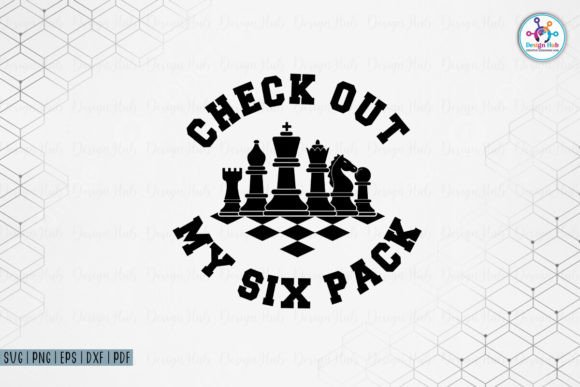
Check out My Six Pack SVG
When I first opened the file for Check out My Six Pack SVG, my immediate reaction wasn't just about the fitness theme, but about how this design would translate from a digital screen to actual thread. As someone who has spent years reviewing graphics for real-world embroidery projects, I know that a pretty image on a computer doesn't always guarantee a clean stitch-out. This product falls under the Crafts and Graphics categories, offering a versatile set of files including SVG, PNG, EPS, PDF, and DXF formats. But for an embroidery designer or a small business owner looking to create high-quality finished products, the format is only half the battle. The true test lies in how the lines hold up under the needle.
The visual personality of Check out My Six Pack SVG is bold and playful. It immediately suggests a mood of confidence and humor, making it a natural fit for custom apparel like sweatshirts, t-shirts, or even aprons for the gym-enthusiast who also loves cooking. The layout feels balanced, which is crucial when you are planning to place this design on a tote bag or a baby onesie. Unlike many generic fitness designs that feel cluttered or overly aggressive, this one seems to strike a balance between being eye-catching and wearable. However, before I commit to using it in a client project, I need to analyze how it handles the technical demands of machine embroidery.
Real-World Application: From Digital File to Finished Product
Imagine I am preparing a batch of personalized gifts for a local craft fair. I decide to use Check out My Six Pack SVG to decorate a series of canvas tote bags and linen kitchen towels. The goal is to create items that look professional enough to command a higher price point while remaining fun and approachable. In this scenario, the versatility of the design file becomes apparent. Because it is available in multiple formats, I can easily switch between digitizing it for embroidery machines or using the raster versions for printable mockups on Etsy listings.
When I simulate the stitching process in my mind, I consider the stitch density. A design with too much fill stitch can become stiff and uncomfortable, especially on stretchy fabrics like cotton jersey used for baby clothes or fitted shirts. If Check out My Six Pack SVG relies heavily on dense satin stitches for the outlines, it might pucker on thin fabric. Conversely, if it uses running stitches effectively, it could offer a softer, more breathable finish ideal for a lightweight summer tee. The key here is ensuring that the design maintains its clarity without losing the definition of the "six pack" shape. For a boutique product, the customer expects the details to pop, not blur into a solid blob of thread.
I also think about the color palette. Embroidery threads have a different sheen and texture than digital ink. A design that looks crisp in black and white on a screen might lose impact if the thread colors clash with the fabric background. If I were to embroider this on a dark navy hoodie, I would need to ensure there is sufficient underlay and topstitching to make the lighter threads stand out. On a light-colored pillow cover, the contrast would be easier to manage, allowing the design to shine as a decorative accent rather than a statement piece that requires constant maintenance.
Where to Use (and Where to Be Careful)
While Check out My Six Pack SVG is highly adaptable, there are specific scenarios where caution is required. Small hoop sizes present a significant challenge. If the design contains intricate details or tiny lettering, compressing it into a 4x4 inch hoop can result in lost definition. For a project like an embroidered patch or a hat logo, the curve of the cap can distort straight lines. In these cases, the design might need slight adjustments to account for the curvature, or it might be better suited for flat surfaces like a wall hanging or a large tote bag.
Textured fabrics are another consideration. Embroidering on a thick fleece sweatshirt is quite different from working on a smooth polyester blend. The design needs to penetrate the fabric without causing excessive bunching. If the fabric is too stretchy, such as a performance athletic shirt, the stabilizer choice becomes critical. Without proper backing, the design could shift during the stitching process, ruining the symmetry of the six-pack graphic. Similarly, for products that will undergo frequent washing, like aprons or dish towels, the durability of the stitches matters. Dense areas might trap lint or water, so balancing the stitch types is essential for longevity.
Practical Designer Notes for Success
Before adding Check out My Six Pack SVG to your commercial inventory or gifting it to a friend, there are several practical steps every designer should take. First and foremost, always test the design on scrap fabric that matches your final project material. This simple step reveals issues with thread tension, puckering, or detail loss that you cannot see on a screen. Check the thread color contrast by viewing the mockup in both grayscale and full color; sometimes a design looks great in RGB but fails in CMYK or thread form.
Review the stitch density carefully. High-density designs require more time to stitch and may not be suitable for all machines or budget-conscious customers. Confirm the hoop size requirements against your intended product dimensions. If you plan to sell these as handmade products, ensure the design fits within the standard placement areas for your specific items, whether that is the chest of a shirt or the center of a pillow cover. Inspect small details closely; if the design includes fine lines, verify that they will not break or merge during the digitization process.
Licensing is another non-negotiable aspect. Before selling finished items featuring Check out My Six Pack SVG, confirm the license terms provided by the creator. Some files allow for personal use only, while others permit commercial production of limited quantities. Understanding these restrictions protects your craft business from potential legal issues. Additionally, compare the design on light and dark backgrounds to ensure it works for a wide range of customer preferences. Using proper stabilizer is vital for maintaining the structure of the embroidery, especially for larger designs.
Impact on Brand and Customer Perception
The quality of your embroidery directly influences customer trust and brand consistency. A well-executed design like Check out My Six Pack SVG can elevate a simple tote bag into a premium gift item. When the stitches are clean, the edges are sharp, and the overall presentation is polished, buyers perceive the value of the product as higher. This is particularly important for Etsy sellers and small shop owners who compete on quality and uniqueness. A messy stitch job can undermine the effort put into the rest of the product, leading to negative reviews and reduced sales.
Furthermore, the recognizability of the design plays a role in buyer engagement. If the six-pack graphic is distinct and memorable, it becomes a signature element of your brand's aesthetic. It signals that you understand current trends and can deliver them professionally. Whether used for holiday gifts, wedding favors, or boutique branding, a successful embroidery project creates an emotional connection with the recipient. They appreciate the thoughtfulness and skill involved in creating a personalized gift.
In conclusion, Check out My Six Pack SVG offers a promising foundation for various embroidery projects, from custom apparel to home decor. Its versatility across different file formats makes it accessible for both hobbyists and professionals. However, success depends on careful execution, thoughtful material selection, and adherence to best practices in digitization and stitching. By taking the time to test, refine, and understand the limitations of the design, you can transform a simple digital asset into a stunning finished product that delights customers and strengthens your reputation as a skilled maker.