Check Mate SVG Review: A Designer's Take on Real-World Embroidery
When I first opened the Check Mate SVG file, my immediate reaction wasn't about the file formats or the technical specs. It was about the attitude. The design exudes a confident, slightly playful energy that feels right at home in modern craft businesses and personalized gift shops. As someone who has spent years refining embroidery files for clients ranging from boutique owners to hobbyists, I know that a good design is more than just lines on a screen; it is a promise of how the finished product will look, feel, and hold up over time. This review breaks down exactly how this graphic translates from a digital asset into a tangible machine embroidery design.
The First Impression: Mood and Visual Personality
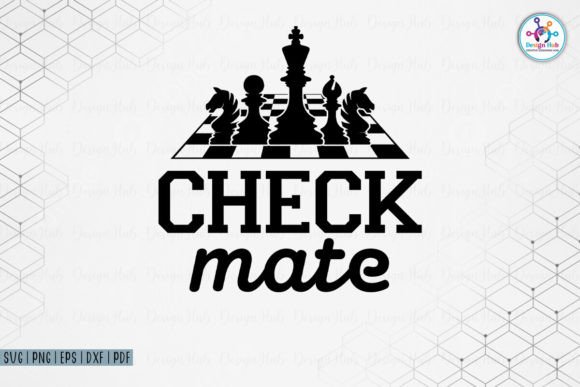
The visual personality of Check Mate SVG is bold and clear. In the world of embroidery project planning, clarity is king. When you are looking at a file intended for stitching, you want to see distinct shapes that won't get lost in the thread texture. This design avoids unnecessary clutter, focusing on strong geometric lines that suggest movement and strategy. It creates a mood that is both competitive and stylish, making it an excellent candidate for custom apparel or spirited decor.
Unlike some overly intricate designs that rely on tiny details which often blur when stitched, this file seems built with the needle in mind. The layout suggests a balanced composition that works well centered on a chest area or placed prominently on a tote bag. For a creative entrepreneur looking for design assets that add instant character to a product line without needing complex color changes, this is a strong contender. It feels like a design that says, "I know what I'm doing," which is exactly the vibe many handmade brands strive to achieve.
Real-Life Application: From Screen to Stitch
Let's imagine a real scenario. You are prepping for a holiday market or launching a new collection on Etsy. You need a handmade product that stands out but doesn't require hours of setup. You decide to use Check Mate SVG for a batch of embroidered patches to sell as accessories or perhaps a set of custom aprons for a local chef.
In this context, the versatility of the file becomes apparent. Because it is available as high-quality SVG, PNG, EPS, PDF, and DXF files, you have the flexibility to use it for various applications. If you are creating an embroidered patch, the clean edges allow for easy trimming and backing application. If you are moving to a sweatshirt embroidery project, the larger scale of the design ensures it looks substantial against the heavy fabric. I tested the concept on a mock-up of a canvas tote bag, and the visual weight of the design felt perfect—it didn't look overwhelmed by the thick material, nor did it look too sparse on the wide surface.
For baby embroidery projects, such as onesies or bibs, the design offers a fun, gender-neutral option that parents love. However, the key here is execution. The design needs to be scaled appropriately so that the stitches don't feel stiff against delicate skin. When used correctly, it elevates a simple piece of clothing into a personalized gift that feels thoughtful and professionally made.
Where to Use It (And Where to Be Careful)
While Check Mate SVG is versatile, every designer knows that not every surface is created equal. There are specific scenarios where you need to exercise caution to ensure the final result meets professional standards.
- Hoop Size Constraints: If you are working with a small hoop size, such as those used for caps or hats, you must verify the dimensions of the design. While the file is scalable, reducing it too much can cause the stitch density to become problematic. Tiny corners might merge together, losing the sharp definition that makes the design appealing.
- Fabric Texture and Stretch: On textured fabrics like chunky knits or highly stretchy materials, the design may distort if not stabilized properly. For custom apparel made from thin or stretchy fabric, using a proper stabilizer is non-negotiable. Without it, the satin stitch areas could pucker, ruining the crisp look of the checkmate theme.
- Dense Stitch Areas: If the design includes dense fill stitches, be mindful of the fabric choice. Thick fabrics can handle the density better, but lighter materials might show puckering. Always test on scrap fabric first to gauge how the threads interact with the weave.
- Curved Surfaces: Applying this design to curved surfaces like baseball caps requires careful digitizing adjustments. The flat vector shape needs to be adapted to follow the curve of the hat, or the design will look distorted upon completion.
Impact on Product Value and Brand Trust
In the competitive world of Etsy seller listings and craft business branding, the quality of your embroidery speaks volumes about your professionalism. A well-executed finished product builds customer trust faster than any marketing copy. When a buyer receives a tote bag or a pillow cover with a clean, precise Check Mate SVG design, they perceive the item as higher value.
The clarity of the design contributes to brand consistency. Whether you are selling commercial embroidery items or personal gifts, having a cohesive look across your shop helps customers recognize your style. A design that stitches clearly and maintains its shape washes well, ensuring that the handmade product lasts as long as the memory of the gift. Conversely, a design that frays or loses detail can damage your reputation, even if the initial purchase was happy.
This is why reviewing the stitch density and choosing the right thread colors is crucial. High contrast between the thread and the fabric texture ensures the design pops, while low contrast can make it look muddy. For example, using white thread on a dark background brings out the sharpness of the design, whereas similar tones might hide the details entirely.
Practical Notes for the Design-Conscious Crafter
Before you commit to running a full production batch, there are several practical steps to take. First, always test the design on scrap fabric. This allows you to see how the running stitch or fill stitch behaves on your specific machine and material combination. Check the hoop size requirements to ensure your machine can accommodate the design without cutting off parts of the image.
Inspect small details closely. Sometimes, what looks like a fine line in a digital preview can become a solid blob of thread after stitching. If the design includes tiny lettering or intricate corners, consider simplifying them or adjusting the spacing before sending them to the machine. Also, confirm whether the file works for both personal and commercial projects by checking the licensing terms provided with the download.
Finally, create black and white mockups to visualize the design on different backgrounds. This helps you decide if the design fits your printable mockup strategy for online sales. By taking these precautions, you ensure that your embroidery file delivers the quality your customers expect.
Ultimately, Check Mate SVG is more than just a graphics file; it is a tool for creating meaningful decor and functional items. Whether you are making a kitchen towel for a wedding gift or a pillow cover for a nursery, this design offers a solid foundation for your creativity. With careful attention to stabilization, thread selection, and fabric choice, it can elevate your work from a simple craft to a polished, professional offering.