Just Waiting Halloween SVG Design: A Designer's Reality Check
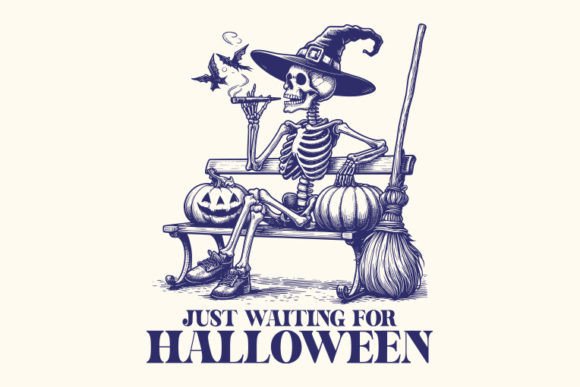
When I first opened the Just Waiting Halloween SVG Design, my immediate reaction wasn't about the file size or the DPI count. It was about the mood. In a sea of generic pumpkins and screaming ghosts, this design offers a distinct narrative pause. As someone who spends their days stitching custom apparel for boutique shops and personalizing gifts for clients, I look for that specific spark—a concept that translates well from a digital screen to a physical needle and thread. This piece feels less like a frantic holiday decoration and more like a witty, slightly mischievous character waiting to be brought to life on fabric.
The prompt includes "Hey Y'all 👋🏻," which sets a friendly, Southern-influenced tone that fits perfectly with the relaxed vibe of the artwork. It suggests a design that is approachable rather than terrifying, making it an ideal candidate for family-friendly items like baby onesies, nursery decor, or light-hearted kitchen towels. Before I even think about loading it into my embroidery machine, I need to evaluate how the visual personality holds up under the scrutiny of real-world production.
From Screen to Stitch: The Real-World Application
I recently had a client request a custom embroidered tote bag for her small craft business, specifically for a Halloween market stall. She wanted something unique that wouldn't clash with the busy patterns she usually uses. That is where Just Waiting Halloween SVG Design caught my eye. The layout is spacious, allowing for a generous amount of negative space around the central figure. This is crucial when working with a tote bag design, as you don't want the embroidery to feel cramped or overwhelming against the canvas texture.
Imagine placing this design on a cream-colored canvas tote. The contrast would be striking, but the true test lies in the stitch density. If the design relies heavily on fill stitches, it could create a stiff, board-like feel on a flexible bag. However, if the artist utilized a mix of satin stitch for outlines and running stitch for softer details, the finished product would drape naturally. For a handmade product like this, the tactile quality is just as important as the visual appeal. Customers running their fingers over a stiff patch often perceive it as lower quality, whereas a design that integrates well with the fabric's natural give feels premium.
This same logic applies to sweatshirt embroidery. A hoodie is a heavy garment, so it can handle a slightly denser design than a thin t-shirt. But if the stitch density is too high, the back of the sweatshirt will bunch up, causing discomfort. When reviewing design assets for commercial use, I always ask myself: does this hold up after ten washes? The "Just Waiting" theme implies patience, which ironically requires the designer to be patient during the digitization process. Ensuring that the lettering remains legible and the graphic elements don't distort on curved surfaces is key to maintaining brand consistency.
Where Caution is Required: Fabric and Form Factors
While the design has potential, there are specific scenarios where Just Waiting Halloween SVG Design might struggle. I am thinking immediately about small hoop sizes. If a crafter tries to shrink this down to fit a tiny baby hat or a miniature apron, fine details could get lost or merge together. On thin fabric or stretchy materials like jersey knit, a dense fill area can cause puckering. Without the right stabilizer, the tension of the threads might pull the fabric out of shape, ruining the intended look of the project.
Another tricky area is dark fabric. Halloween designs often rely on high contrast. If the background is black, the outline needs to be bold enough to stand out, or the design might disappear into the weave. Conversely, on textured fabrics like corduroy or fleece, the definition of the lines might blur. This is why I always advise testing the design on scrap fabric first. You need to see how the thread colors interact with the specific weave of your material before committing to a final customer order.
Curved surfaces like caps present another challenge. Embroidery on a curved brim or crown requires careful alignment. If the hoop size isn't appropriate for the curvature, the design can shift, leading to misaligned text or distorted graphics. For a custom apparel item like a cap, precision is non-negotiable. A slight error here can turn a professional-looking gift into a cheap souvenir.
Elevating Product Value and Customer Trust
In the world of Etsy sellers and craft business owners, the difference between a good listing and a great one often comes down to the perceived value of the item. A well-executed embroidery project using Just Waiting Halloween SVG Design signals professionalism. When a buyer sees a clean, crisp design on a pillow cover or a kitchen towel, they trust that the maker cares about quality. This builds customer trust and encourages repeat business.
Consider the angle of a personalized gift. A shirt featuring this design isn't just a piece of clothing; it's a statement. The "Just Waiting" phrase invites curiosity. It suggests a playful anticipation of the holiday, which resonates with adults who enjoy subtle humor. When used on a holiday gift, the design becomes a conversation starter. It shows thoughtfulness. However, this only works if the execution is flawless. If the edges are frayed or the colors are muddy due to poor digitization, the message is lost.
For those creating printable mockups or digital product previews, the clarity of the original file matters immensely. The description mentions 300 dpi and transparent backgrounds, which is excellent for marketing visuals. But remember, a pretty image on a screen doesn't guarantee a successful stitch. You must verify that the digital embroidery file contains all necessary layers and that the color palette matches your available threads. Comparing light and dark fabric backgrounds in your mockups helps buyers visualize the final result, reducing returns and increasing satisfaction.
Practical Notes for the Discerning Maker
Before you rush to digitize Just Waiting Halloween SVG Design for your next batch of commercial embroidery projects, take a moment to review the technical specifics. While the product description highlights the inclusion of PNG and SVG files, it does not specify the exact stitch count or the recommended machine embroidery design format (like .DST or .PES). These are critical details. Different machines have different tolerances. What works on a Brother might require adjustment on a Bernina.
Always inspect small details closely. Does the text have sharp corners, or do they look rounded? Are there any areas where the stitch direction changes abruptly, potentially causing thread breaks? If you are planning to sell finished items, confirm the licensing terms. Some graphics allow for single-use, while others permit unlimited commercial sales. Understanding these rules protects your small shop product line from legal issues.
Finally, consider the versatility of the design. Can it work as an embroidered patch? Is it suitable for baby embroidery on soft cotton? The answer depends on the complexity of the lines. Simple, bold shapes translate better to smaller scales. If the design features intricate textures, it might be better suited for larger items like blankets or large wall hangings. By matching the design's complexity to the product's scale, you ensure a high-quality finished product that stands out in a crowded marketplace.
Ultimately, Just Waiting Halloween SVG Design is more than just a seasonal graphic; it is a tool for creative expression. Whether you are a hobbyist looking to make a unique holiday embroidery project or a seasoned entrepreneur expanding your design assets library, this piece offers a solid foundation. With careful attention to fabric choice, stabilizer usage, and stitch density, it can become a standout feature in your collection of handmade goods.