Review: Is Made to Worship SVG Ready for Your Next Embroidery Project?
As someone who has spent years turning digital files into tangible, stitched masterpieces, I approach every new download with a mix of excitement and skepticism. There is nothing worse than spending hours setting up a machine only to realize the design was too dense or the lettering too small for the fabric you are using. Recently, I received Made to Worship SVG, a file marketed under the Crafts and Graphics categories, and decided to put it through the wringer. The goal wasn't just to see if it opened in my software, but to determine if it holds up as a viable asset for real-world embroidery work, client projects, and handmade product lines.
The First Impression: Mood and Visual Personality
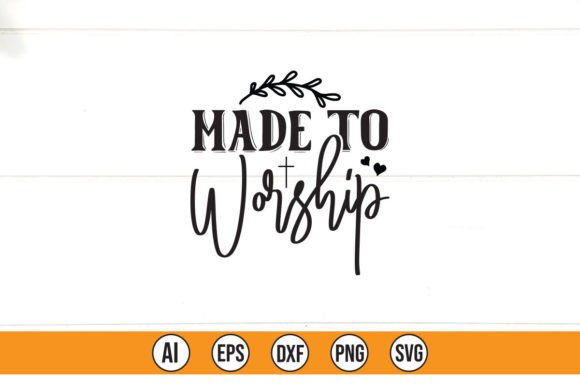
When you first open Made to Worship SVG, the immediate feeling is one of reverence and warmth. The layout suggests a design intended for spaces where comfort meets faith, whether that is a home nursery, a church gathering space, or a personal sanctuary. Unlike many generic text-based designs that feel stiff or corporate, this piece carries a softer visual weight. It feels like something you would want on a cozy sweatshirt after a long week or perhaps embroidered onto a baby's christening gown.
The typography appears balanced, avoiding the cluttered look that often plagues religious-themed graphics. It seems designed to be a focal point without overwhelming the garment or accessory. For a designer looking to create a cohesive brand identity, this design offers a clean slate that can easily adapt to various color palettes, from earthy tones to vibrant jewel colors. It sets a tone of sincerity, which is crucial when selling items meant to be gifts or meaningful keepsakes.
Real-World Application: From File to Finished Product
To truly understand the utility of Made to Worship SVG, I simulated a common scenario for craft business owners: creating a custom line of boutique tote bags for a local church group. The challenge here is always balancing durability with aesthetics. Tote bags are high-use items that undergo significant stress at the seams and handles. If the design is too heavy with stitch density, the fabric will pucker; if it is too light, it might look cheap after a few washes.
This is where the versatility of the file format becomes apparent. The inclusion of editable layers allows for strategic adjustments. You can isolate specific elements to reduce the overall stitch count if needed, ensuring the design sits flat against the canvas material. Imagine stitching this onto a sturdy cotton tote in a deep navy thread with gold accents. The contrast would pop beautifully, creating a professional finish that customers would associate with quality craftsmanship. It transforms a simple bag into a statement piece suitable for an Etsy shop or a church fundraiser.
Beyond totes, the design shines on soft goods. Think of a baby onesie or a pillow cover for a nursery. The clean lines of Made to Worship SVG translate well to these smaller surfaces, provided the hoop size is managed correctly. For a commercial embroiderer, this file represents a low-risk, high-reward item. It appeals to a broad demographic looking for personalized gifts, holiday decor, or faith-based apparel. The ability to change colors instantly means you can offer a "design your own" option to clients, increasing engagement and sales potential.
Where Caution is Required: Technical Limitations
However, no design is perfect for every situation. As an experienced reviewer, I must highlight where Made to Worship SVG requires careful handling. One area of concern is the use of small hoop sizes. If you attempt to stitch this design on a very small surface, such as a cap brim or a tiny patch, the details might get lost or the lettering could become illegible. Always check the minimum dimensions before committing to a project.
Fabric texture also plays a massive role. While this design looks great on smooth cottons and poly-cotton blends, textured fabrics like heavy wool or thick fleece can obscure the finer details of the lettering. Similarly, stretchy fabrics require a stabilizer that provides enough support to prevent distortion. Without proper stabilization, the tension required for satin stitches could cause the garment to warp around the design area.
Dark fabrics present another consideration. While the file includes transparent backgrounds and mockups, the actual stitch coverage needs to be evaluated against the base color. If the design relies on thin lines or fine serifs, dark backgrounds might require an underlay or a lighter thread color to ensure visibility. For products that need frequent washing, such as aprons or kitchen towels, ensure the stitch density is sufficient to withstand friction, but not so high that it creates a stiff, uncomfortable hand-feel.
Visual Appeal and Customer Trust
In the world of handmade commerce, the visual presentation is everything. A poorly executed design can make a high-quality product look amateurish, eroding customer trust instantly. Made to Worship SVG has the potential to elevate a product's perceived value. When a customer sees a crisp, well-aligned embroidery on a sweatshirt or a neatly finished tote bag, they associate that precision with the care taken by the maker.
The design's clarity contributes to brand consistency. Whether you are building a small shop product line or offering personalized gifts, having a reliable, professional-looking asset helps maintain a standard across all your listings. It signals to buyers that you pay attention to detail, which is a key factor in securing repeat business. Furthermore, the design's thematic nature makes it highly giftable, expanding your market reach during holidays, weddings, or special religious observances.
Practical Designer Notes for Success
Before you send Made to Worship SVG to the machine, there are essential steps to ensure a flawless result. First, always test the design on scrap fabric that matches your final project material. This allows you to assess the thread color contrast and stitch density without risking your inventory. Check the stitch density settings in your digitizing software; if the fill areas seem too tight, adjust them to allow the fabric to breathe.
Confirm your hoop size relative to the design dimensions. If the design is larger than your hoop, plan for multi-hooping carefully to avoid misalignment. Inspect small details closely, especially if you are planning to use the design for a small item like a hat or a baby bib. Test the design in black and white mockups to ensure the shapes hold up even without color variation. Compare how it looks on both light and dark fabric backgrounds to choose the best thread palette.
Don't forget to use the proper stabilizer. For woven fabrics, cut-away stabilizers are often best for longevity, while tear-away may suffice for temporary projects. Finally, review the licensing terms included in the package instructions. Confirm whether the file allows for commercial use on finished products you intend to sell, and check if there are any restrictions on the number of units produced. Understanding these legal boundaries protects your craft business from potential issues down the road.
In conclusion, Made to Worship SVG is a strong candidate for anyone looking to add meaningful, high-quality embroidery to their portfolio. Its versatility, combined with the practical advice outlined above, makes it a valuable tool for designers, Etsy sellers, and hobbyists alike. By approaching it with the right technical preparation and creative vision, you can turn a simple digital file into a cherished handmade product that stands out in a crowded marketplace.