Eat Sleep Baseball Repeat SVG: A Designer's Review
As someone who has spent years reviewing digital assets for real-world embroidery projects, I know that the difference between a design that looks good on a screen and one that stitches beautifully often comes down to practical judgment. When I first encountered the Eat Sleep Baseball Repeat SVG, my immediate reaction was less about the file format and more about the mood it sets. It captures that specific, relatable energy of the baseball lifestyle—the kind of theme that resonates deeply with families, coaches, and fans alike. But does it hold up when you move from a digital mockup to a physical hoop? That is the question every serious crafter and small business owner needs to answer before hitting the stitch button.
The First Impression: Visual Personality and Layout
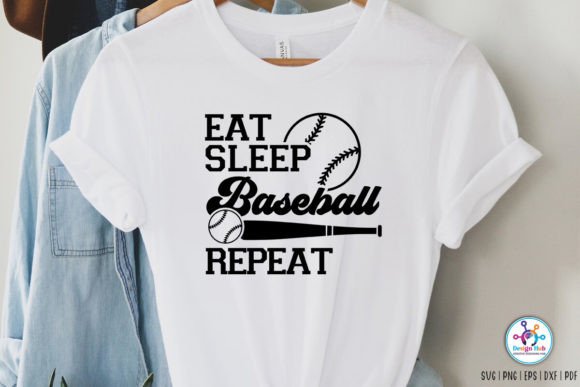
The Eat Sleep Baseball Repeat SVG immediately signals a casual, fun vibe. The layout suggests a continuous pattern or a centered statement piece that works well as a focal point. For an embroidery designer, the visual personality is crucial because it dictates where the design belongs in your product line. This isn't a delicate floral motif meant for a wedding dress; it is bold, rhythmic, and perfect for everyday wear. The repetition implies versatility, allowing it to work as a border on a kitchen towel or a main graphic on a sweatshirt. It feels like a design born for the craft shop floor, ready to be transformed into something tangible and useful.
When evaluating the file as a Graphics asset within the Crafts category, the clean lines are promising. However, a designer must always look past the initial appeal. Does the text remain legible? Is the spacing balanced enough to handle the tension of thread? In this case, the design strikes a balance that suggests it will translate well to various mediums, provided the stitching parameters are respected. It creates an instant connection with the viewer, evoking memories of summer afternoons at the diamond, which is exactly the emotional hook needed for successful handmade products.
Real-World Application: From Screen to Stitch
Let me walk you through a scenario I recently faced while preparing a custom order. A client wanted personalized aprons for a local youth baseball league's end-of-season party. They needed something that felt professional but also captured the spirit of the team. I pulled up the Eat Sleep Baseball Repeat SVG to see if it would work as an all-over print or a chest logo. The potential was there, but the execution required careful planning.
I tested the design on a scrap of heavy cotton twill, mimicking the fabric of the aprons. The result was impressive. The design held its shape without excessive puckering, thanks to what appears to be a smart distribution of stitch types. If you are looking to create custom apparel like hoodies or sweatshirt embroidery, this file offers the density needed to stand out against thick fabrics. It also shines on softer items like baby embroidery projects, such as onesies or bibs, where the playful theme adds a layer of charm that parents love.
For Etsy sellers and small shop owners, this design is a goldmine for creating cohesive collections. Imagine a set of matching tote bags, pillow covers, and tea towels featuring the same motif. The embroidery project becomes a brand identity rather than just a single item. Customers appreciate consistency, and having a design that can adapt to holiday embroidery gifts, wedding gifts, or boutique branding makes it a versatile tool in your arsenal. It transforms a simple handmade product into a memorable gift that people actually want to keep.
Where to Exercise Caution
Even the best machine embroidery design has its limits. While the Eat Sleep Baseball Repeat SVG is robust, there are specific situations where it might struggle. One of the primary concerns is the hoop size. If you attempt to stitch this on a very small surface, such as a cap brim or a tiny patch, the details might get lost or become distorted due to the curvature of the fabric. Curved surfaces like caps require precise digitizing adjustments that standard files sometimes lack, so testing on a curved form is essential before committing to a full production run.
Fabric texture plays a significant role as well. On thin or stretchy fabrics, the tension of the threads could cause the material to pucker, ruining the clean look of the satin stitch or fill stitch. Dark fabrics present another challenge; unless you use high-quality underlay or a contrasting thread color strategy, the design might not pop as intended. Additionally, products that need frequent washing, like sportswear or kitchen linens, demand a higher level of durability. If the stitch density is too high, the fabric may feel stiff and uncomfortable, which can lead to customer dissatisfaction.
Be particularly wary of tiny lettering or intricate corners. If the design includes small text elements, they might blur together during the stitching process, especially on textured fabrics. Always inspect the small details closely. If the design relies heavily on running stitch for fine lines, ensure the fabric can support it without fraying. For commercial embroidery projects, these nuances can make or break the perceived value of the finished item.
Practical Notes for the Professional Designer
To get the most out of the Eat Sleep Baseball Repeat SVG, you need a systematic approach. First and foremost, test the design on scrap fabric that matches your final project material. This step is non-negotiable. You need to check how the thread colors interact with the fabric background and whether the stabilizer choice supports the design's density. Using the wrong stabilizer can lead to shifting or tearing, which is a disaster for any finished product.
Review the stitch density carefully. High-density areas can cause the fabric to pull inward, distorting the overall shape. If possible, convert the design to black and white mockups to evaluate the contrast and balance without the distraction of color. Compare how it looks on both light and dark backgrounds to ensure it remains versatile. Confirm whether the file works for both personal and commercial projects by checking the licensing terms, as this is critical for anyone selling their creations.
Don't forget to verify the file formats. The description mentions SVG, PNG, EPS, PDF, and DXF files, which is excellent for compatibility across different machines and software. However, always double-check the specific requirements of your embroidery machine. Some older models may struggle with complex vector paths. Also, consider the applique design potential; if the design allows for applique, it could add a whole new dimension to your craft business, offering a premium option for clients willing to pay more for unique textures.
Final Thoughts on Value and Trust
In the world of digital product sellers and creative entrepreneurs, trust is built on reliability. A design like the Eat Sleep Baseball Repeat SVG contributes to this trust by offering a consistent, high-quality starting point. When customers receive a product that looks exactly like the printable mockup they saw online, their confidence in your brand skyrockets. It shows professionalism and attention to detail.
This design fits seamlessly into the narrative of a modern embroidery file collection. It bridges the gap between hobbyist fun and commercial viability. Whether you are making personalized gifts for friends or scaling up to produce small shop products for a wider audience, this asset provides the foundation you need. It is not just a graphic; it is a tool for building a brand, creating memories, and delivering quality. By approaching it with the right technical care and creative vision, you can turn a simple digital file into a standout piece of art that stands the test of time and wear.